Quick Answer: A home inspection is not legally required in Utah, but it is strongly recommended for every purchase. Inspections cost $350 to $600 and take 2-3 hours. The inspector examines the roof, foundation, HVAC, plumbing, electrical, and structural components. In Utah's market, common issues include aging HVAC systems, foundation settling in expansive clay soils (especially in Lehi and Eagle Mountain), hard water damage, and radon (Utah has higher-than-average radon levels).
What Does a Utah Home Inspection Cover?
- Roof: Condition, estimated remaining life, flashing, gutters
- Foundation: Cracks, settling, moisture issues — especially important in Utah's expansive soils
- HVAC: Furnace, AC, water heater age and condition
- Plumbing: Pipe condition, water pressure, hard water damage, water heater
- Electrical: Panel condition, wiring type, GFCI outlets, grounding
- Structural: Framing, walls, floors, windows, doors
- Exterior: Siding, grading, drainage, landscaping affecting the foundation
Utah-Specific Issues to Watch For
- Radon: Utah has some of the highest radon levels in the nation. A radon test ($150-$200) is recommended, especially in Utah County and Salt Lake County. Mitigation costs $800-$1,500 if levels are high.
- Foundation settling: Utah's clay soils expand and contract with moisture, causing foundation cracks. Common in Eagle Mountain, Lehi, and west-side developments.
- Hard water: Utah's water is extremely hard, causing mineral buildup in pipes, water heaters, and appliances. Check for water softener and condition of pipes.
- Polybutylene pipes: Some homes built in the 1980s-90s have PB pipes that are prone to failure. Look for grey flexible pipes.
- Snow load on older roofs: Older homes in mountain areas may have roofs not rated for heavy snow loads.
How to Use Inspection Results
In Utah, the inspection period (typically 10-14 days) is your due diligence window. After the inspection, you can:
- Request repairs: Ask the seller to fix specific issues before closing
- Request credits: Ask for a price reduction or closing cost credit instead of repairs
- Accept as-is: Proceed with the purchase knowing the issues
- Walk away: Cancel the contract and get your earnest money back (during the due diligence period)
Ready to Get Started?
Get a personalized pre-approval or schedule a free consultation with Felix Vivanco.
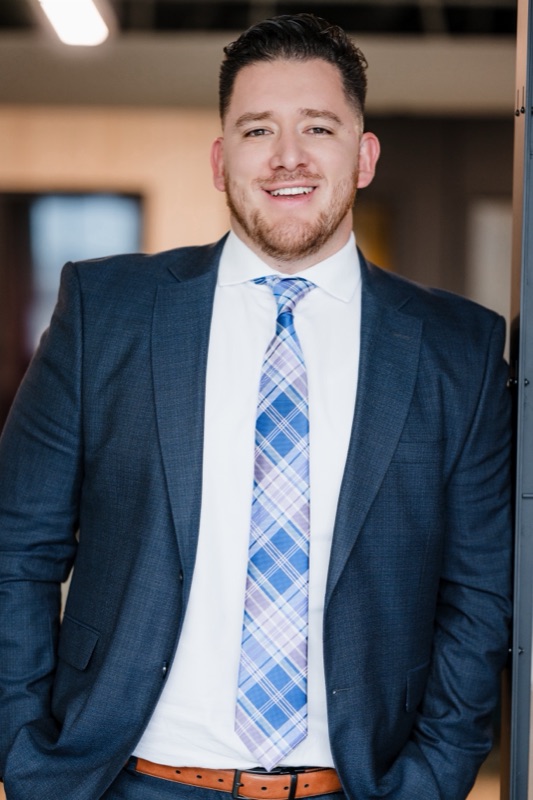
Felix Vivanco
Senior Mortgage Loan Officer | NMLS #2002977
Felix has helped hundreds of Utah families find the right mortgage. Bilingual in English and Spanish. Based in Lehi, serving all of Utah.